About
Logic2030 follows the Kalish–Montague tradition of natural deduction, with a debt to Logic2010.
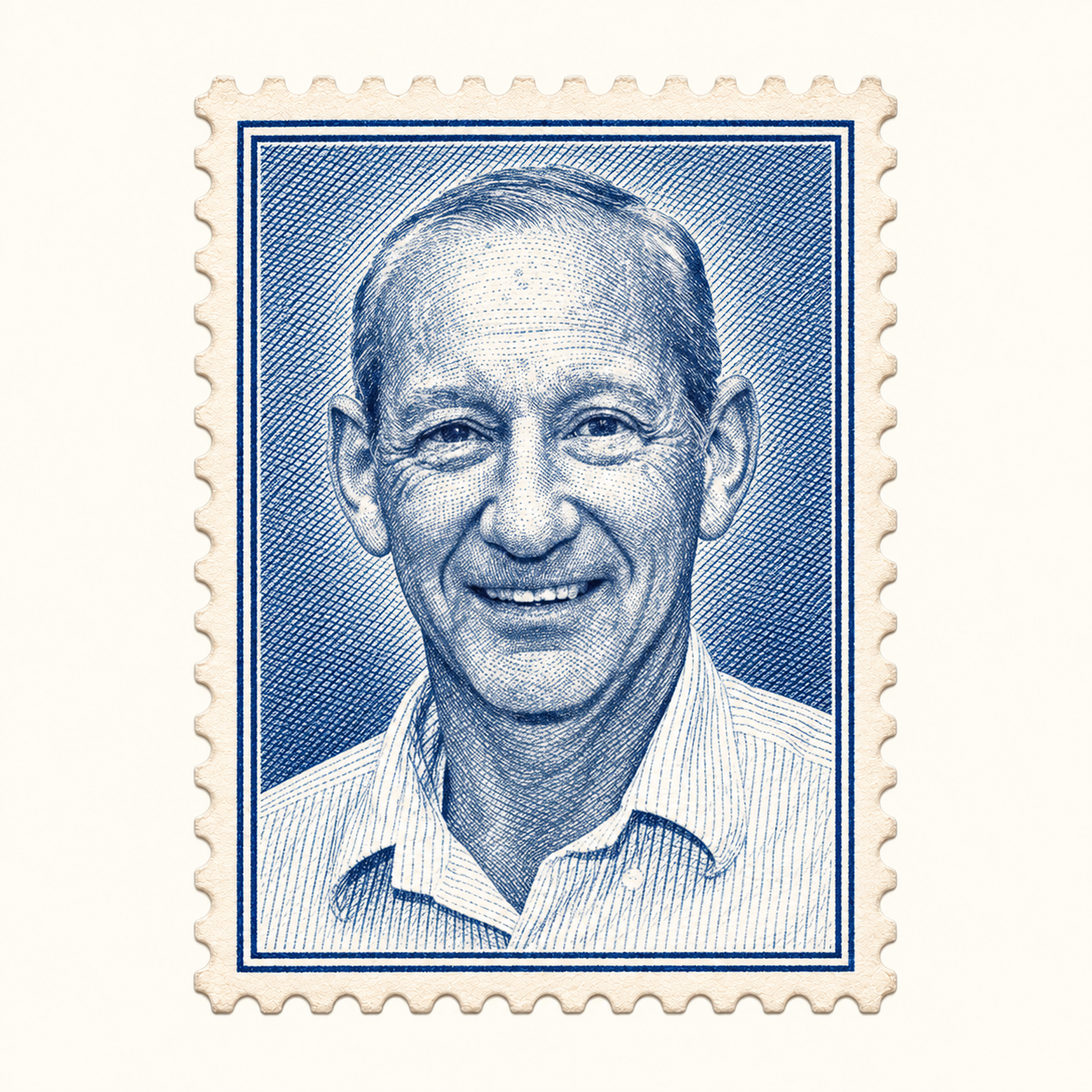
Donald Kalish
Donald Kalish taught logic at UCLA for nearly fifty years and was, by every account, extraordinary at it. David Kaplan — who took his first logic course from Kalish as a freshman in the early 1950s and went on to become one of the most important philosophers of language of the twentieth century — called him “an inspiring and sparkling teacher, who brought excitement and a sense of community to the classroom.” As department chair, Kalish recruited a constellation of logicians and philosophers that made UCLA one of the world’s great centers for analytic philosophy. He was also one of Southern California’s earliest and most prominent opponents of the Vietnam War, organizing demonstrations of ten thousand people and making headlines for hiring Angela Davis in defiance of Governor Reagan and the UC Regents. A colleague recalled that Kalish would march on the steps protesting the Nixon administration and the same day deliver a brilliant lecture on equivalents to the axiom of choice. He gave students his home phone number with instructions to call anytime, day or night.
Remembrance ↗
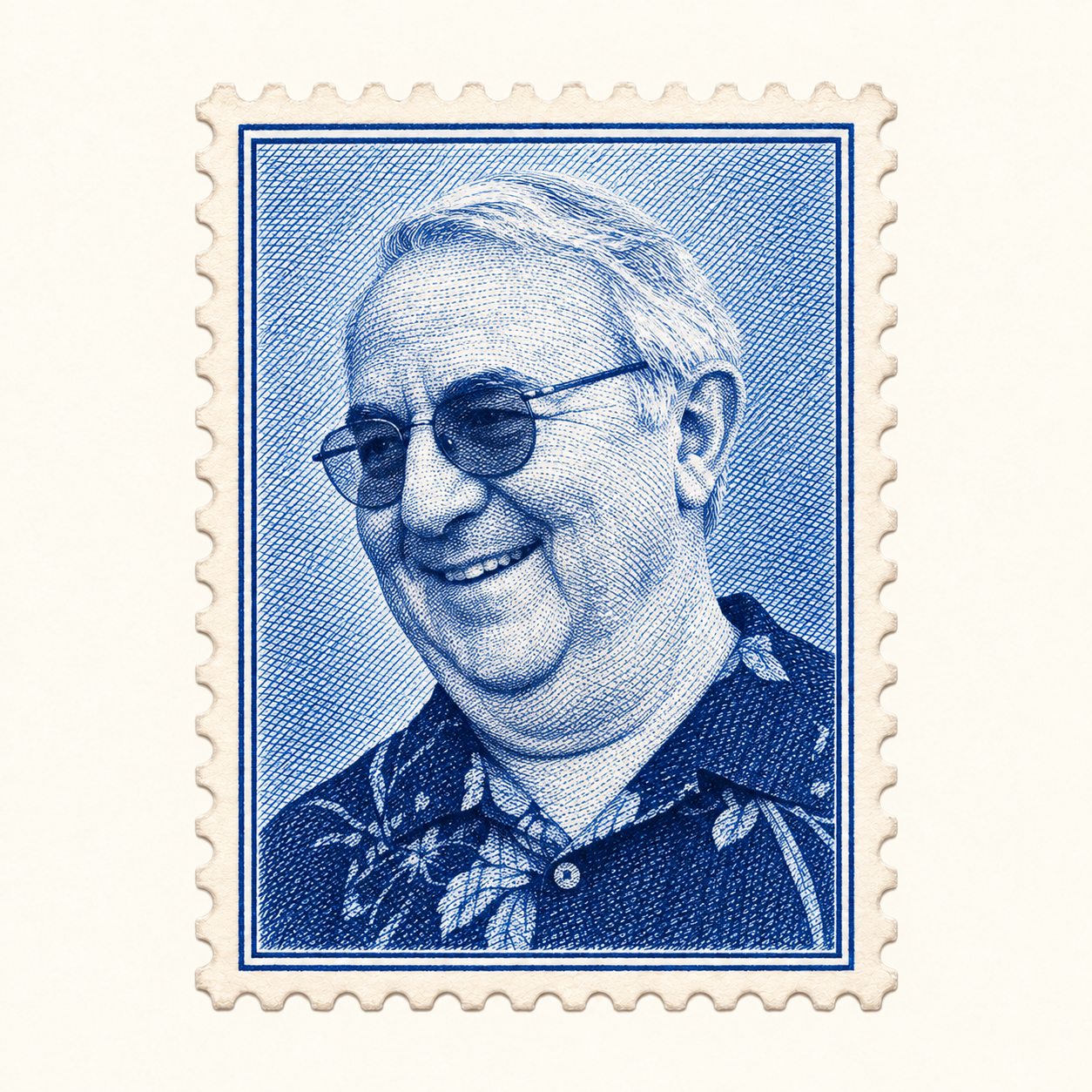
David Kaplan
David Kaplan came to UCLA interested in jazz and politics; Donald Kalish’s introductory logic course changed his direction. By his sophomore year he was grading logic homework. What gripped him was the beauty of a proof: understanding why something seems true is one thing, and actually deriving it is another. He stayed at UCLA for his doctorate, completed in 1964, studying in the company of Carnap, Church, and Montague, and made the university his intellectual home.
His work on words such as “I,” “here,” and “now” transformed the philosophy of language. Their reference changes with the speaker and the circumstances, yet their meaning follows systematic rules. In “Demonstratives,” Kaplan gave that dependence on context a precise logical treatment. The same care for how people come to understand a subject shaped his teaching: he described watching students’ faces and approaching an idea from a different angle when it had not yet clicked.
UCLA interview ↗
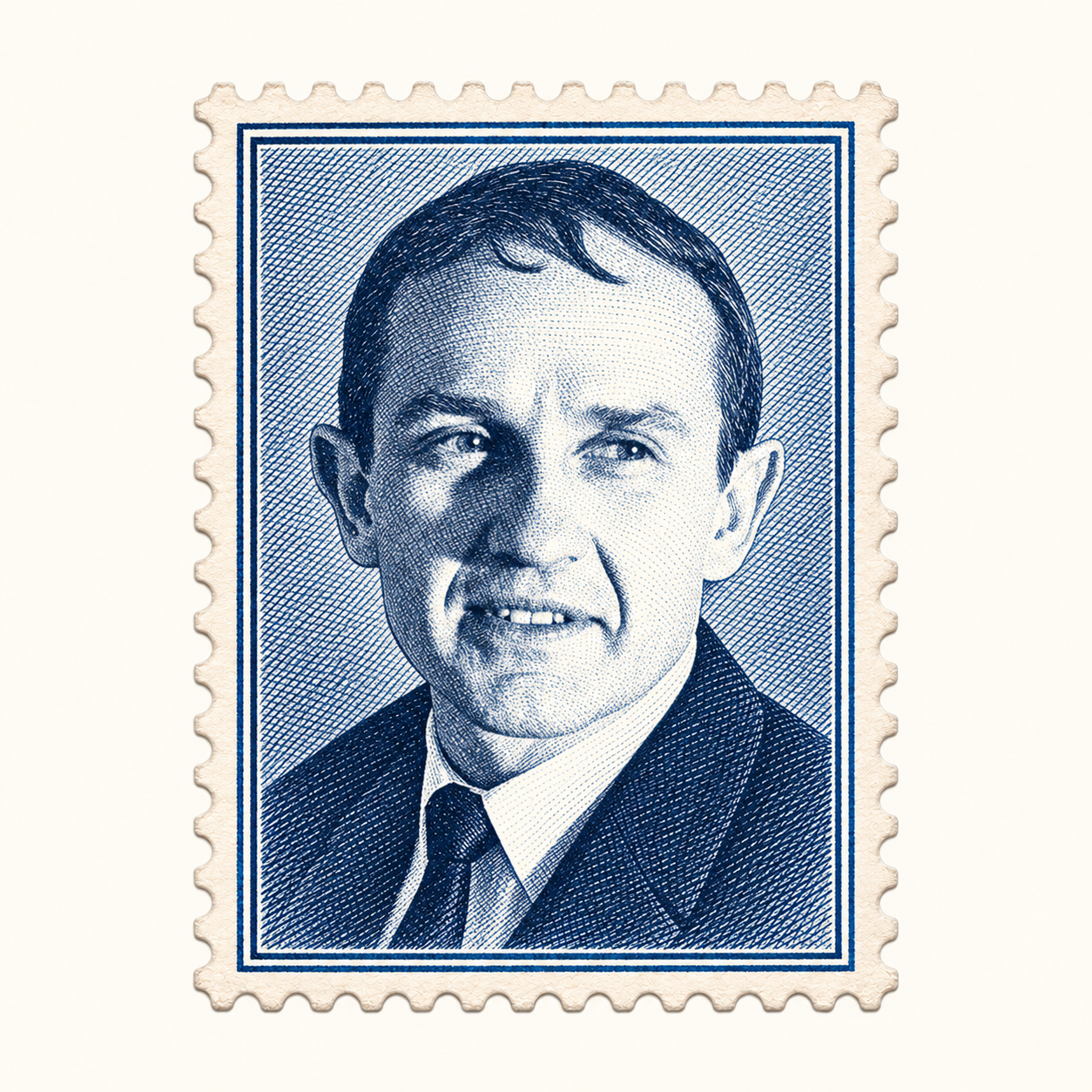
Richard Montague
Richard Montague was a student of Alfred Tarski at Berkeley whose doctoral dissertation showed that standard first-order set theory, if consistent, cannot be captured by any finite list of axioms. He joined UCLA’s philosophy department and, in a remarkable late turn, directed his formal methods toward natural language, arguing that English could be analyzed with the same mathematical precision as a logical calculus. The framework he developed — now called Montague Grammar — transformed the study of meaning across philosophy and linguistics and remains foundational today. The term entered the Oxford English Dictionary in 2002. He was murdered in 1971 at the age of forty; the case was never solved. His students included David Kaplan and Hans Kamp, whose work on discourse representation theory became one of the most important developments in formal semantics. Richmond Thomason’s posthumous collection of his papers became a foundational text, and at least three novels have been inspired by his life.
Life and work ↗